Flexible PCBs by TOP XINYU Technology
Advantages of Flexible PCBs
⚖️
Space and Weight Savings
Flexible PCBs are very thin and lightweight, reducing the need for bulky wires and enabling compact device designs.
🛡️
Durability and Flexibility
Superior bend endurance, thermal stability, and resistance to vibration and mechanical stress.
📶
Improved Signal Integrity
Reduced thickness means less crosstalk and better signal integrity in high-speed designs.
Flexible PCB Design Considerations
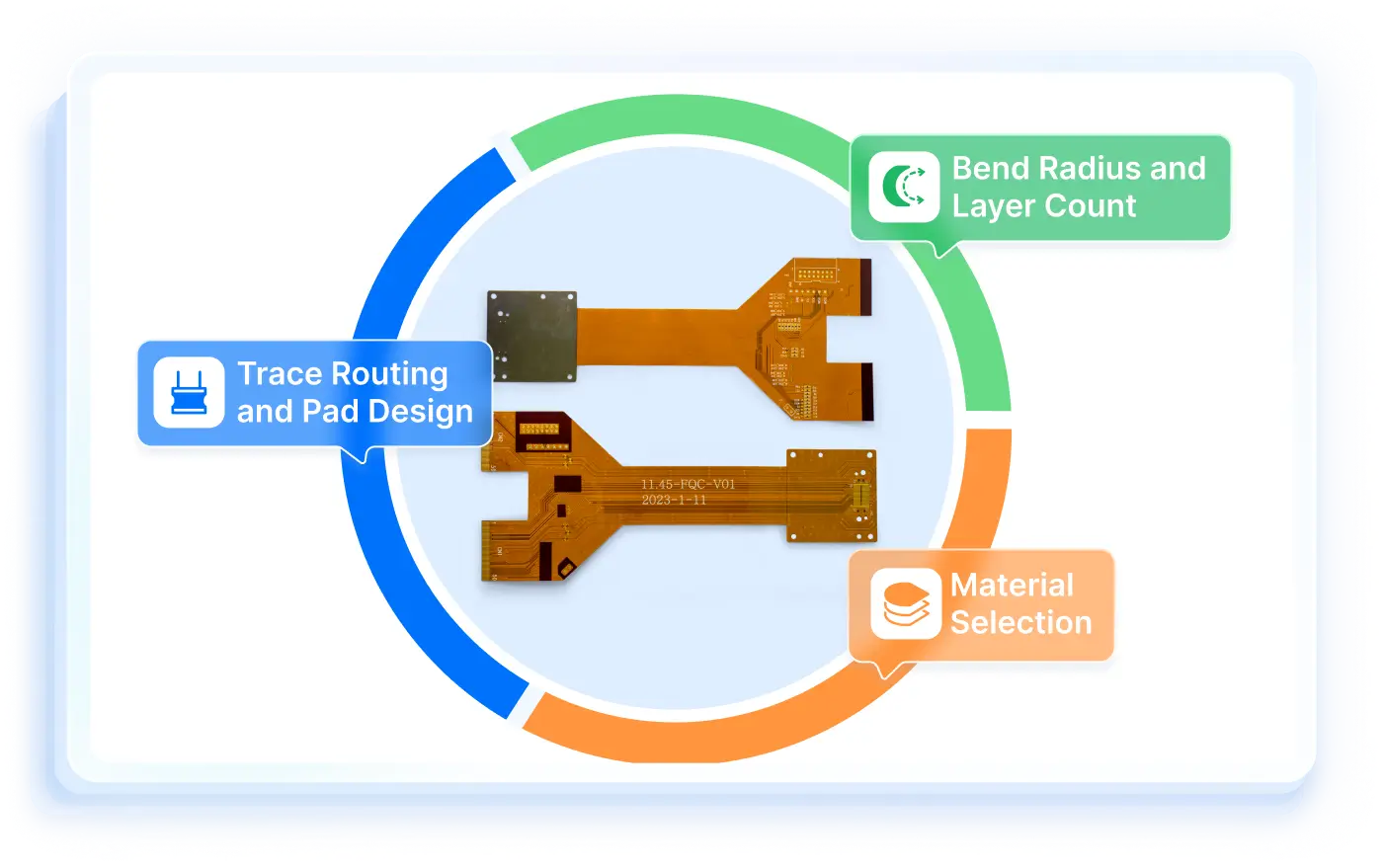
Bend Radius and Layer Count +
The minimum bend radius depends on layer count and material. More layers reduce flexibility; dynamic designs should minimize layers.
Material Selection +
Polyimide (PI) is most common for its thermal resistance and durability; polyester (PET) offers a cost-effective alternative for static applications.
Trace Routing and Pad Design +
Curved traces, staggered vias, and teardrop pads help reduce stress concentration and prevent cracking.
Common Applications
🖥️ Consumer Electronics +
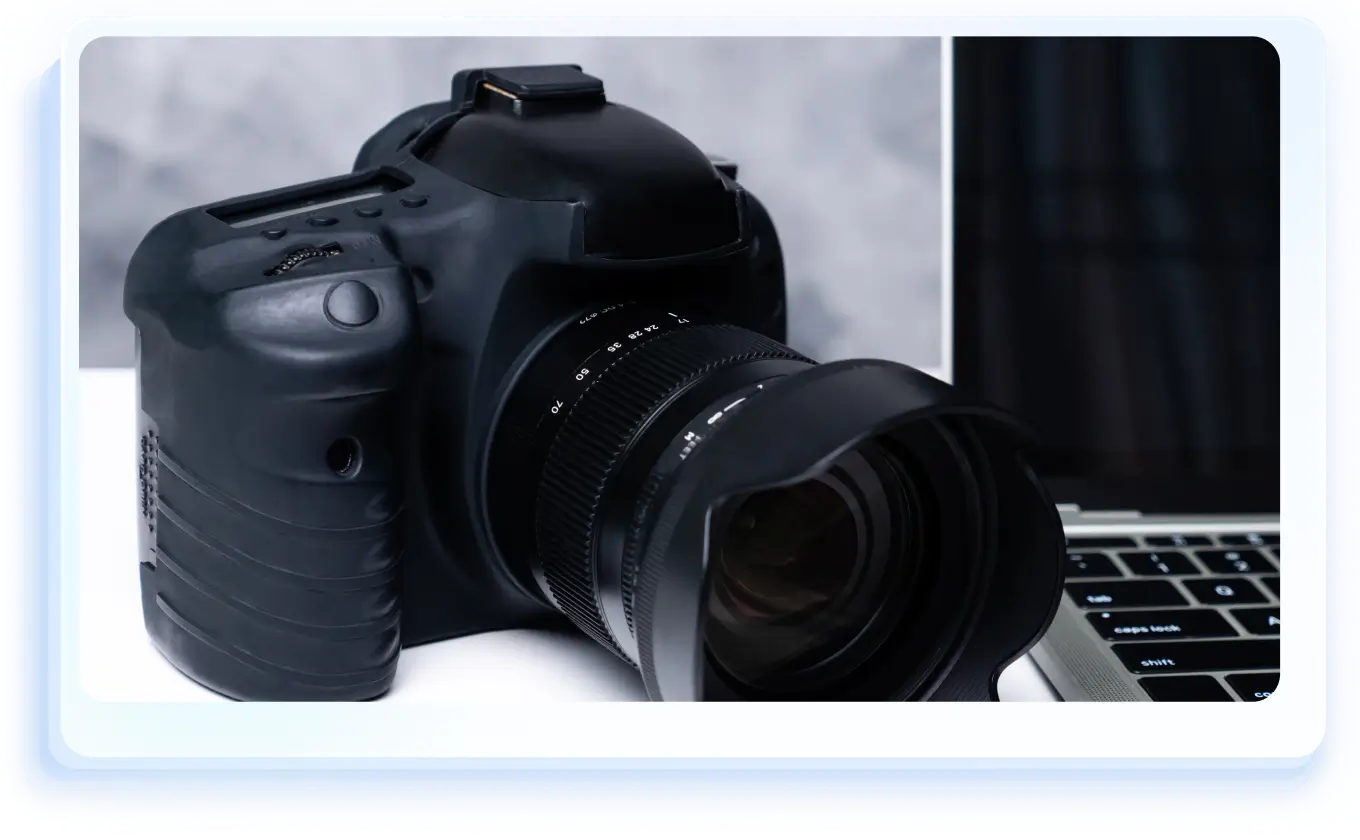
Widely used in smartphones, wearables, and laptops for space saving and slim designs.
🏥 Medical Devices +
Pacemakers, hearing aids, and diagnostic equipment benefit from flexibility and reliability.
🚗 Automotive Electronics +
Sensors and control systems endure heat and vibration in vehicles.
✈️ Aerospace & Aviation +
Lightweight design reduces launch costs and improves fuel efficiency.
TOP XINYU Technology Flexible PCB Capabilities
| Features | Capabilities |
|---|---|
| Minimum Dimensions | No limit. Panel suggested if < 20×20mm. |
| Maximum Dimensions | Regular: 234 × 490mm; Limit: 250 × 600mm |
| Dimension Tolerance | ±0.1mm / ±0.05mm (extra) |
| Coverlay Color | Yellow / Black / White / Transparent |
| Surface Finish | ENIG (1u" / 2u") |
| Min. Via hole/diameter | 0.15mm/0.35mm (regular); 0.10mm/0.3mm (extreme) |
| Min. Trace/Space | 3/3mil (12μm), 3.5/3.5mil (18μm), 4/4mil (35μm) |
| Stiffener | PI, FR4, Stainless Steel, 3M Tape |
Why TOP XINYU Technology?
🎯
Flexible Materials
From 25μm to 50μm substrates, PET, and more.
🔬
Precision Manufacturing
2/2mil traces, laser cutting ±0.05mm tolerance.
🏅
Robust Quality
Adhesive-free substrates, multiple stiffener options.
💰
Fast & Affordable
4-5 day lead time, factory-direct pricing.
Order in 3 Easy Steps
1. Upload Gerber files and choose options
Select layers, material, finish, and stiffener.
2. Review instant quote
Adjust parameters and see updated pricing in real time.
3. Secure checkout and tracking
Complete payment and monitor your order every step.
Frequently Asked Questions
What materials are used in flexible PCBs?
Polyimide (PI) and polyester (PET) films are the most common substrates. PI offers high thermal resistance and durability, while PET is a lower-cost option for static or low-heat applications.
How many times can a flexible PCB bend?
A properly designed flex PCB can endure thousands to millions of dynamic flex cycles. The exact lifespan depends on the bend radius, material, and copper thickness.
What is the minimum bend radius?
Typically 10× the board thickness for dynamic (repeated) bending and 6× for static (one-time) bends. Always confirm with our engineering team for critical designs.
Are flexible PCBs more expensive than rigid PCBs?
Yes, unit cost is generally higher due to specialized materials and processes. However, flex PCBs often reduce overall system cost by eliminating connectors, wires, and assembly steps.
When should I use a flexible PCB instead of rigid?
Use flex PCBs when you need space savings, lightweight construction, or repeated bending (e.g., foldable devices, hinges, or compact medical tools).
What are the disadvantages of flex PCBs?
Higher bare-board cost, more complex design rules (bend radius, stiffener placement), and delicate handling during assembly. We provide DFM checks to avoid common pitfalls.
How many layers can a flex PCB have?
Our standard flex PCBs support 1 to 4 layers. More complex rigid-flex designs can incorporate up to 8 layers or more. Contact us for custom stack-ups.
What stiffener options are available?
We offer PI stiffeners (0.1mm~0.25mm), FR4 stiffeners (0.1mm~1.6mm), stainless steel (0.1mm~0.3mm), and 3M adhesive tapes. Choose based on connector support or ZIF requirements.
What is the typical lead time for flex PCB orders?
Standard flex PCB prototypes are manufactured in 4-5 working days. Batch production may take slightly longer depending on quantity and complexity. Express service is available.
Do you offer transparent flexible PCBs?
Yes, we provide transparent PET-based flex PCBs with over 85% light transmittance – ideal for optical applications or aesthetic designs.
Can I get an impedance-controlled flex PCB?
Absolutely. We support impedance control on flexible circuits with ±10% tolerance. Please specify your impedance requirements when placing the order.